

The Cost of Senior Living: 5 Things Older Adults Should Know
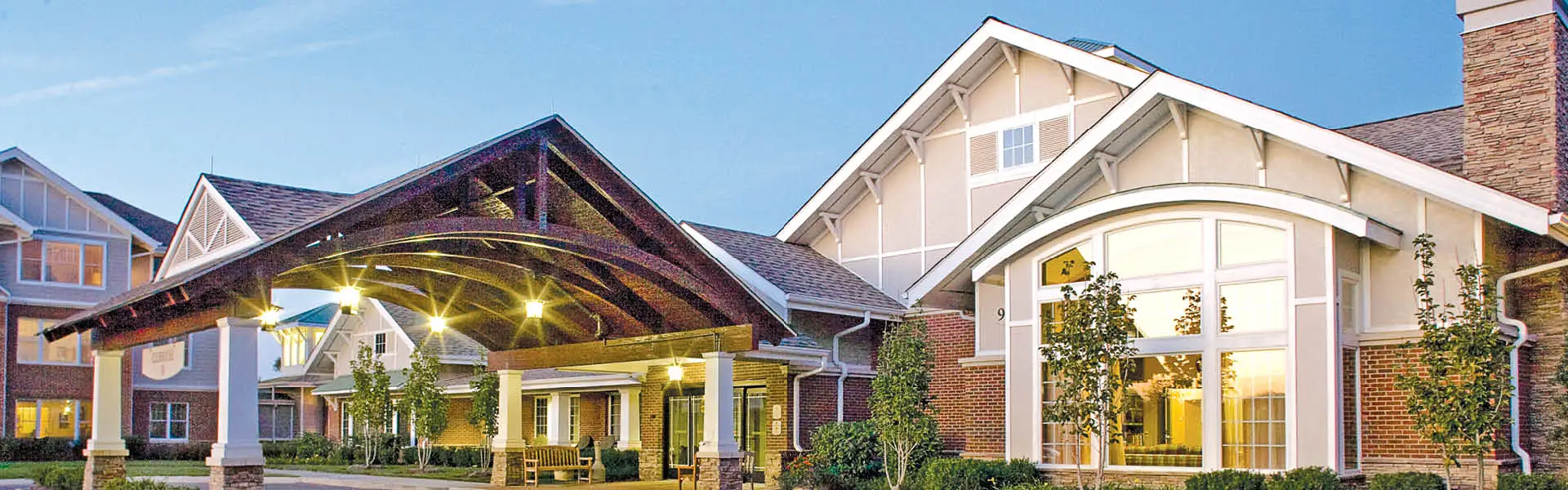
The cost of senior living becomes an essential part of planning for the future, especially as older adults compare independent living communities, assisted living facilities, and Life Plan Communities (also known as Continuing Care Retirement Communities (CCRCs)). Costs vary widely based on where you live, the services you need, and the residence you choose. This guide breaks down the key factors that influence pricing, highlights the value of smaller residences like one-bedroom apartments, and shows how The Heritage at Brentwood® delivers comfort, care, and long-term financial stability.
1. What Determines the Cost of Senior Living?
-
The cost of senior living refers to the combined expenses associated with housing, amenities, care services, and long-term security in a senior living community.
-
These costs shift based on the type of senior living option—independent living, assisted living, or Life Plan Community—along with your selected residence, available amenities, and level of care.
-
National sources such as A Place for Mom, Inc. and SeniorLiving.org show consistent trends: the more care or square footage needed, the higher the investment.
-
Understanding these elements helps older adults compare communities with confidence.
2. Senior Living Costs and How They Vary by State
-
Rental senior living communities’ monthly fees typically cover maintenance-free residences, activities, dining options, fitness programs, community amenities, and personal support or assistance with activities of daily living (ADLs) as needed.
-
Prices vary significantly by state due to real estate markets, taxes, and local labor costs.
-
Tennessee remains one of the nation’s strong-value environments, offering competitive pricing for older adults seeking high quality without the high price tag.
-
The Heritage at Brentwood® and other Life Plan Communities’ one-time entrance fee and monthly service payments cover everything a typical rental community does plus a full on-site continuum of care that empowers you to age in place as needs change—without raising your predictable monthly payment.

3. Key Factors That Influence Senior Living Costs
Location and Real Estate Markets
-
The cost of senior living is closely tied to your geographic region.
-
States with higher real estate prices typically have higher monthly fees.
-
The Heritage offers a favorable mix of desirable location, stability, and long-term value.
Amenities and Services Offered
-
Dining venues, wellness programs, fitness centers, housekeeping, transportation, and on-site medical care all influence the monthly fee.
-
Communities with enriched lifestyles and robust wellness programs may cost more—yet often offer greater long-term value.
Apartment Size and Type
-
Floor plan selection is one of the most direct drivers of pricing.
-
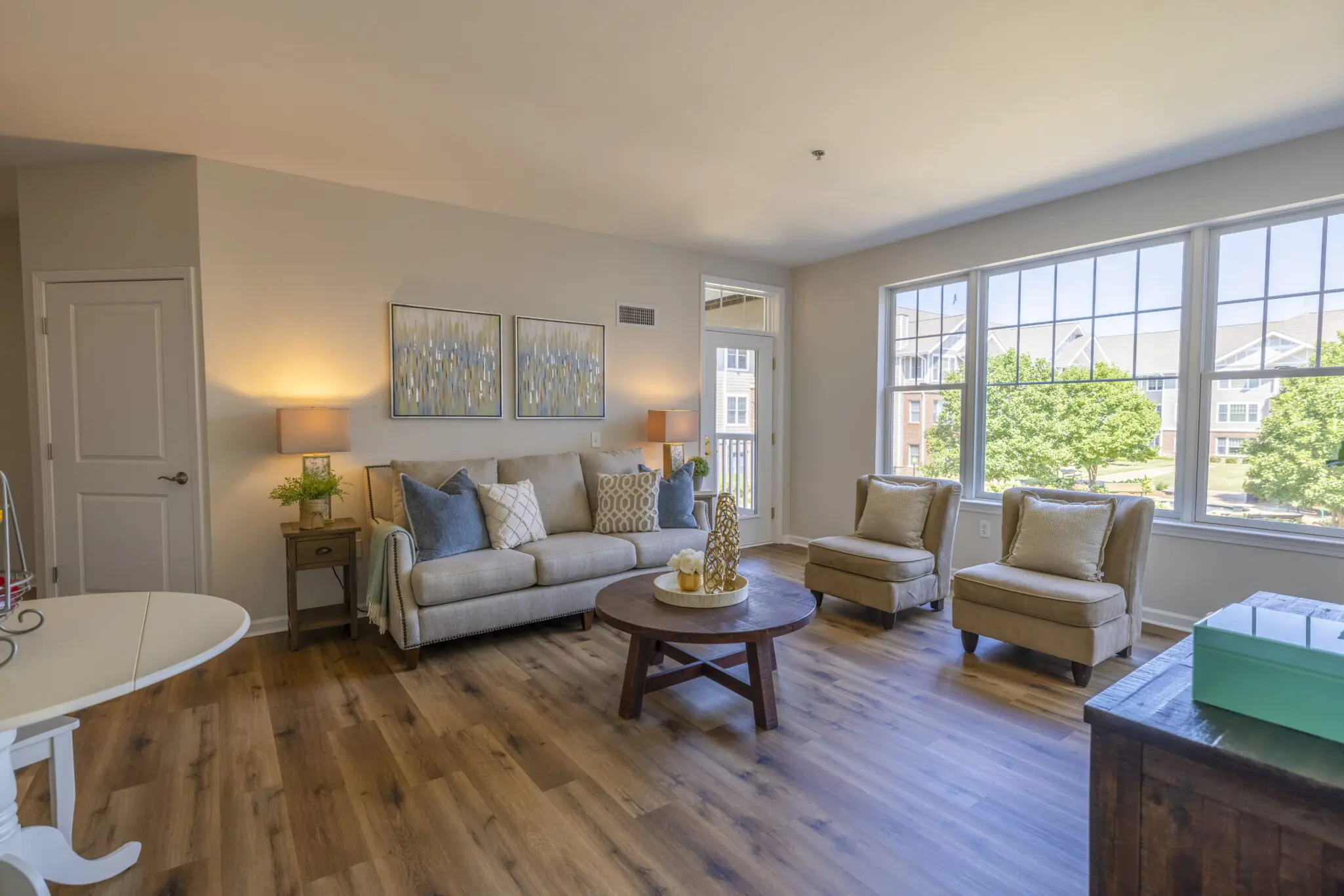
Options may include one-bedroom, one-bedroom + den, and two-bedroom apartments—and cottage homes.
-
Smaller residences provide affordability, comfort, and simplicity—ideal for older adults focused on manageable and meaningful spaces.
-
-
Benefits of a One-Bedroom Apartment
-
Lower monthly fees
-
Easier upkeep
-
Cozy and comfortable layout
-
Efficient use of utilities
-
Ideal for simplifying and downsizing without sacrificing comfort
-
-
4. The Role of a CCRC in Managing Costs
-
A Continuing Care Retirement Community (CCRC) offers the unique advantage of providing multiple care levels—independent living, assisted living, skilled nursing, and memory care—all on one campus.
-
Entrance fees create long-term predictability, helping older adults stabilize future expenses.
-
The Heritage’s LifeCare® contract offers protection against rising assisted living costs, and helps lock in financial security as needs change.
-
For many older adults, this model provides peace of mind and predictable budgeting.
5. Financial Planning Considerations for Older Adults
-
When evaluating the cost of senior living, consider how monthly fees replace expenses like utilities, property taxes, maintenance, and home repairs.
-
Long-term care insurance may help offset future medical care or higher-level support.
-
Common ways to pay for senior living include savings, retirement income, home equity, and insurance products.
-
CCRC entrance fees (sometimes called entrance payments or buy-in fees/payments) support both lifestyle and future care needs—turning unpredictable expenses into a long-term plan.
-
Speaking with a financial advisor can help determine what fits your goals and budget.

Why The Heritage at Brentwood® Delivers Exceptional Value
-
The community’s Brentwood location, amenities, and LifeCare® contract make long-term budgeting easier and more predictable.
-
A variety of thoughtfully planned residences—including affordable and well-designed one-bedroom apartments—support both comfort and smart financial decision-making.
-
With wellness programs, engaging activities, professional care services, and the reassurance of a CCRC model, older adults gain a secure foundation for the future.
-
This holistic approach helps residents feel confident about the cost of senior living and the value they receive in return.
Discover how senior living at The Heritage at Brentwood® can fit your lifestyle and budget. From thoughtfully designed one-bedroom apartments to exceptional services, our community makes the cost of senior living feel manageable and worthwhile. Contact us today to schedule your visit!