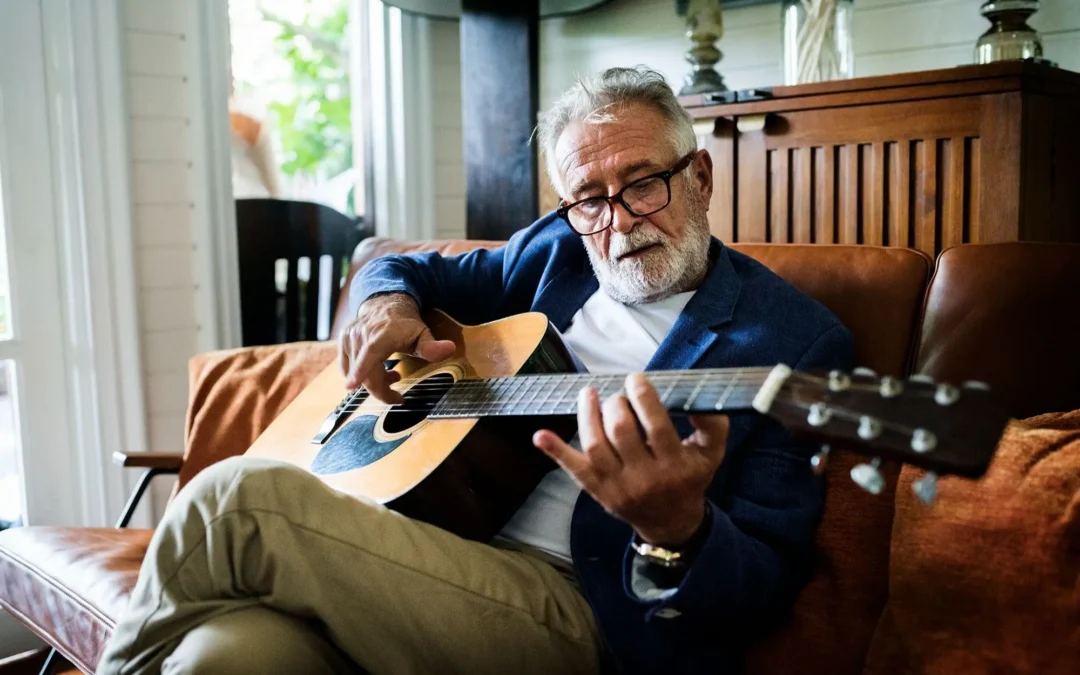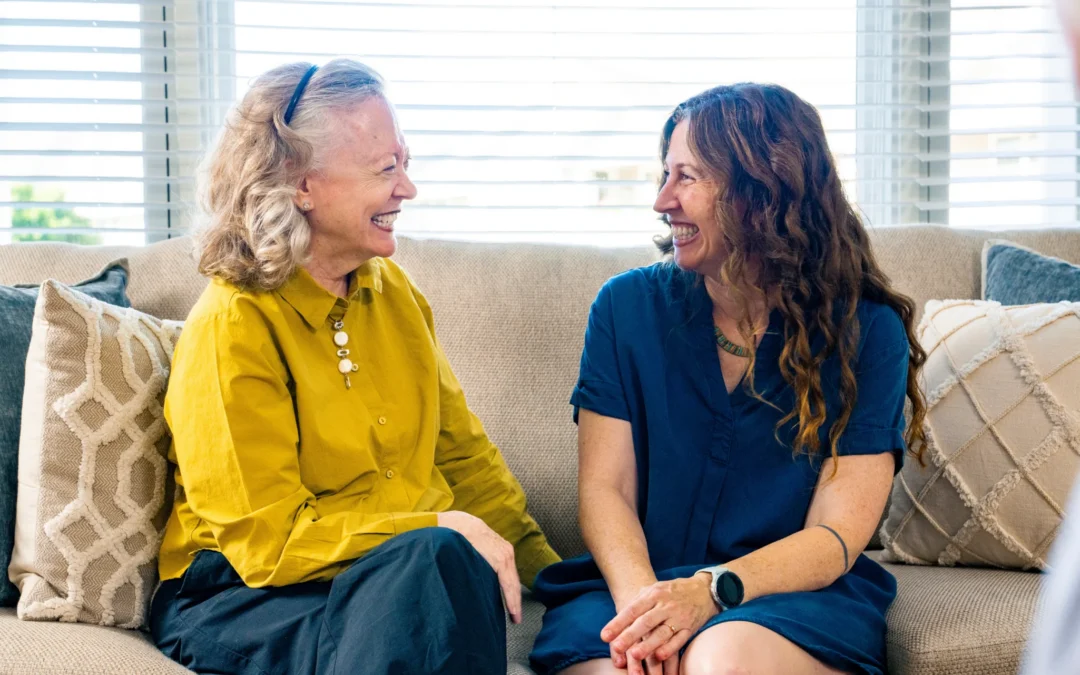
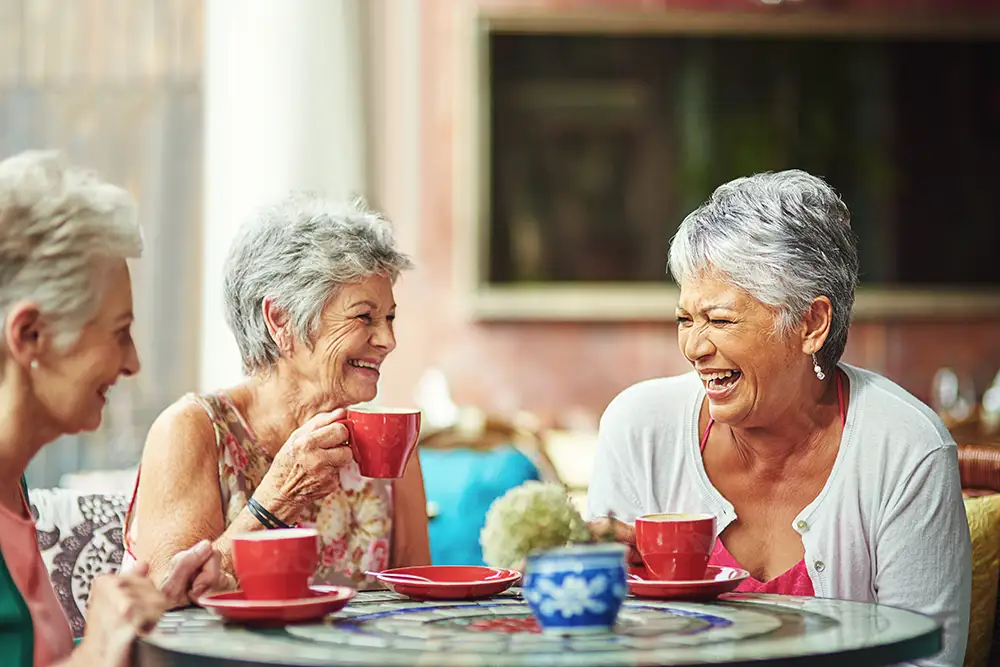
As we move through different stages of life, the way we build and maintain friendships naturally evolves. In our younger years, social connections often form through school, careers, raising children, and busy schedules. After 60, however, friendships tend to become more intentional—formed through shared interests, common values, and a desire for meaningful connection.
Planning for retirement also involves how older adults can meet new people, explore new interests, and build relationships that enrich everyday experiences. At The Heritage at Brentwood®, residents have countless opportunities to connect through clubs, committees, educational programs, wellness initiatives, and shared activities. These connections help create a vibrant community where friendships can flourish and residents can continue living engaged, fulfilling lives.
Why Friendship Matters for Healthy Aging
Friendships contribute to much more than an active social calendar. Meaningful relationships can help older adults maintain a sense of purpose, belonging, and connection throughout life’s transitions.
Whether adjusting to retirement, relocating, or experiencing changes within a family, friendships provide continuity and companionship. Having trusted people to share experiences with can make everyday life more enjoyable while helping individuals remain engaged with the world around them.
For solo agers—older adults who may not have a spouse, children, or nearby family members—friendships can be an especially valuable source of support, encouragement, and connection.
Strong social connections can provide:
- A greater sense of belonging
- Encouragement during life transitions
- Opportunities for meaningful conversations
- Motivation to stay active and involved
- Increased overall life satisfaction
Simply put, friendships help make life richer and more rewarding.
The Connection Between Friendship, Mental Health, and Cognitive Wellness
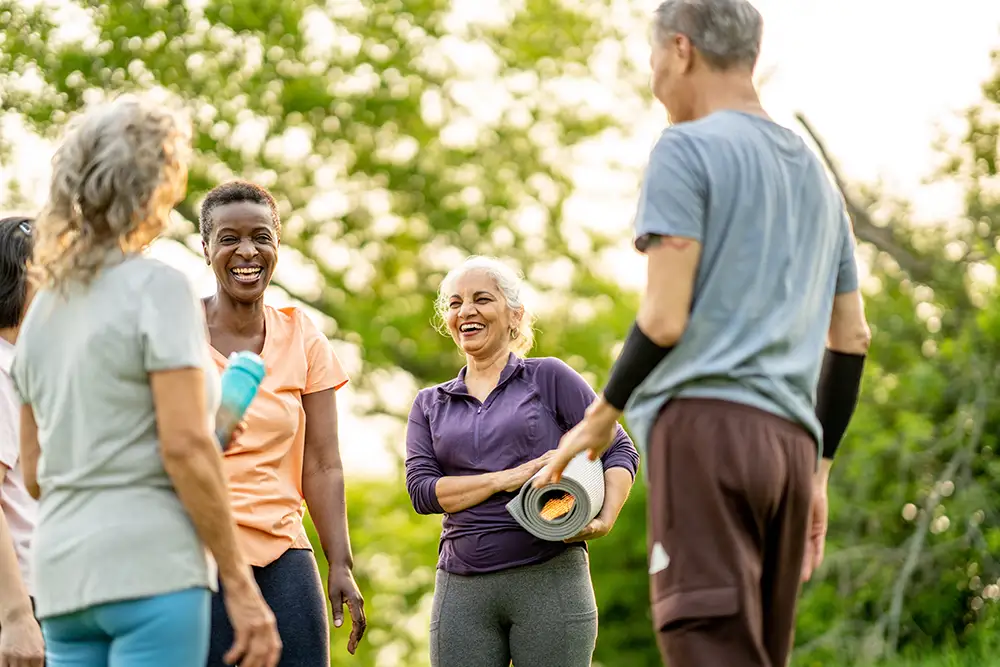
Maintaining strong social connections can support both emotional and cognitive well-being. Regular interaction with others provides opportunities for conversation, laughter, learning, and engagement—all of which contribute to overall wellness.
Friendships can help reduce feelings of loneliness by creating opportunities for regular social interaction and emotional support. Having people to talk with, spend time with, and rely on can contribute to a more positive outlook and greater resilience during challenging times.
Social engagement also keeps the mind active. Conversations, games, educational programs, and group activities naturally encourage communication, memory recall, listening skills, and problem-solving.
Activities that support both social and cognitive wellness may include:
- Educational lectures and lifelong learning opportunities
- Book discussions and interest groups
- Strategy games and card games
- Arts and creative programs
- Fitness classes like tai chi
- Music activities and performances
- Volunteer opportunities
Researchers continue to study the relationship between social engagement, cognitive health, and dementia. While no single activity guarantees specific outcomes, maintaining an active social life remains an important component of overall well-being.
Making Friends After 60 Through Shared Interests and New Experiences
One of the most effective ways to make friends after 60 is to participate in activities that genuinely align with your interests. Shared experiences provide natural opportunities for conversation and help relationships develop organically over time.
Whether through hobby groups, educational programs, volunteer opportunities, wellness activities, faith-based gatherings, or community events, participating in activities you enjoy can introduce you to people with similar interests and perspectives.
Technology has also created new ways to stay connected. Social media, video calls, online interest groups, and messaging platforms can help older adults maintain existing friendships, reconnect with old friends, and build new relationships based on shared interests, regardless of distance.
Building new friendships may also require stepping outside familiar routines. Trying a new class, attending an event, joining a club, or accepting an invitation can open the door to meaningful connections. More often than not, lasting friendships develop through consistent participation and repeated interactions rather than a single introduction.
Why Community Involvement Creates Belonging and Purpose
Beyond friendship itself, community involvement offers opportunities to remain engaged, contribute to something meaningful, and continue personal growth.
Participating in clubs, committees, volunteer efforts, and group activities allows older adults to share their talents, pursue their passions, and stay connected to a larger network of peers. Being actively involved helps foster a sense of purpose while creating opportunities to make a meaningful impact on the community around them.
Community involvement can help residents:
- Stay socially and intellectually engaged
- Continue learning and exploring new interests
- Share knowledge and experiences with others
- Develop leadership opportunities
- Feel connected to a larger community
These opportunities become especially valuable when they are woven into everyday life.
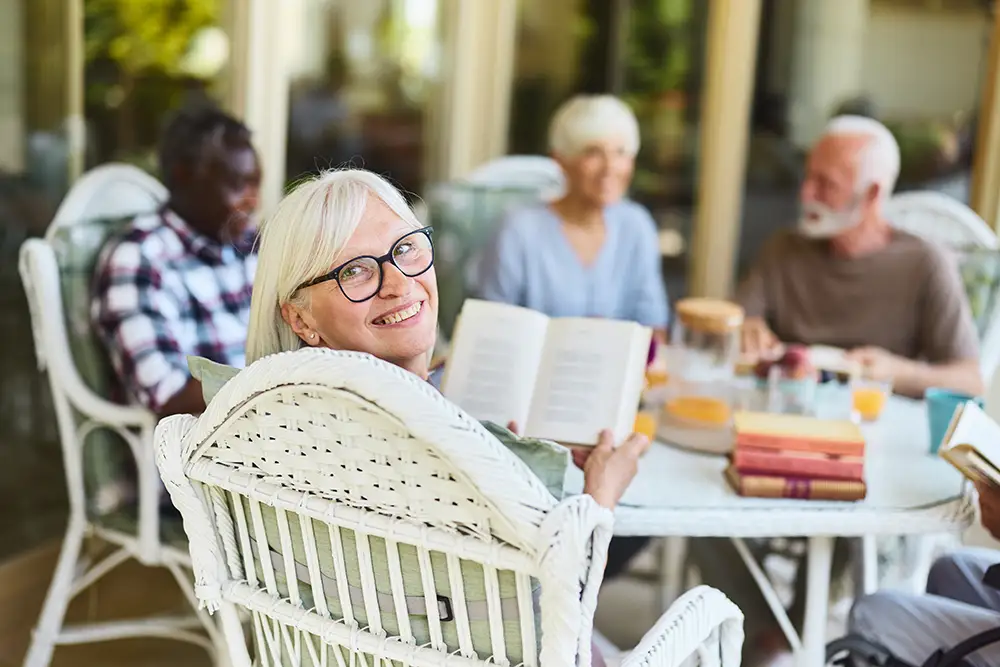
How The Heritage at Brentwood® Supports Meaningful Connections
At The Heritage at Brentwood®, residents have more than 90 resident-led clubs and committees that make it easy to stay involved and build relationships around shared interests.
Residents can participate in activities such as:
- Glee Club
- Creating in the Art Studio
- Dance Clubs
- Games Club
- Poetry Circle
- Woodworking
- Bible Study
- Handcrafters
- Wii Rollers
For those who enjoy contributing to community life, opportunities for involvement include:
- Resident Councils
- Finance Committee
- Wellness Committee
- Food & Beverage Committee
- Library Committee
Programs such as the Health Care Navigator further enhance the resident experience while creating additional opportunities for engagement.
What makes these opportunities especially meaningful is that they are part of daily life. Residents regularly connect through activities, educational programs, dining experiences, committee meetings, and casual conversations throughout the community. These shared experiences help foster genuine relationships and create a welcoming environment where people feel connected and valued.
At The Heritage at Brentwood®, residents enjoy opportunities to pursue their interests, stay involved, and connect with others in ways that feel natural and rewarding. Schedule a personalized experience today to discover how community living can support a lifestyle filled with connection, purpose, and possibility.