Understanding Aging and Mental Health
There is an unfortunate stigma about mental health and aging in the United States, particularly when it comes to seniors and the elderly. Mental health in seniors should be viewed the same as a broken limb or other physical ailment. Mental health in elderly seniors is a normal part of aging. The more we all understand this, the better we can recognize issues earlier and treat them accordingly and with dignity.
The Cause of Mental Health in Elderly
Mental health problems may be caused by a number of issues such as one’s family history of mental illness, personal genetics, nutrition, lifestyle choices and even environmental factors.
What experts do know, however, is that people who have stressful jobs and/or home lives are more susceptible to mental health issues. Likewise, those who have been exposed to emotional, physical or other forms of trauma are more likely to suffer from mental health problems, as are crime victims. And as people age, this susceptibility only increases.
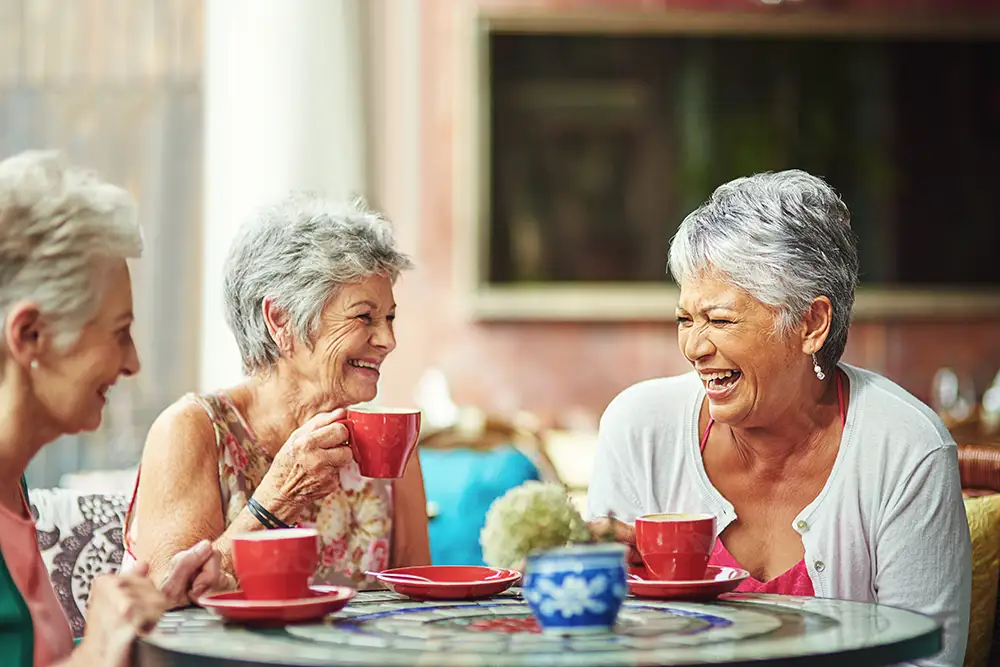
Staying connected and engaged has a direct effect on senior loneliness, senior isolation, senior depression and overall emotional wellness.
Aging and Mental Health: Common Issues
The three most common senior mental health issues are by far depression, dementia and anxiety disorders. But there are a number of other problems involving mental health in elderly.
These include:
- Bipolar disorder
- Borderline personality disorder
- Dissociative disorders
- Eating disorders
- Narcissistic personality disorder
- Obsessive compulsive disorder (OCD)
- Post-traumatic stress disorder (PTSD)
- Schizophrenia/Schizoaffective disorder
- Substance abuse disorders
Helpful Tips for Family and Caregivers
It is easy to become overwhelmed, but there are many things a family member or caregiver can do to help when it comes to aging and mental health. If you are dealing with mental health in elderly relatives or friends, find practical ways you can help your loved one. Get involved and become their advocate.
The following are just some of the ways you can help:
- Organize a medical file, whether digital or printed. Information the file should include: their name; date of birth; a list of medications, vitamins, herbal treatments and supplements (as well as dosages); and physician/hospital contact information.
- Schedule doctors’ appointments and accompany your loved one so you can take notes and ask questions on their behalf.
- Do your own research on any diagnosis.
- Help ensure your loved one takes their medications and picks up refills.
- Encourage social interactions to avoid senior isolation.
- Help your loved one exercise and remain physically active.
- Keep an eye on their overall mood.
Ways to Improve Senior Mental Health
1. Socialize
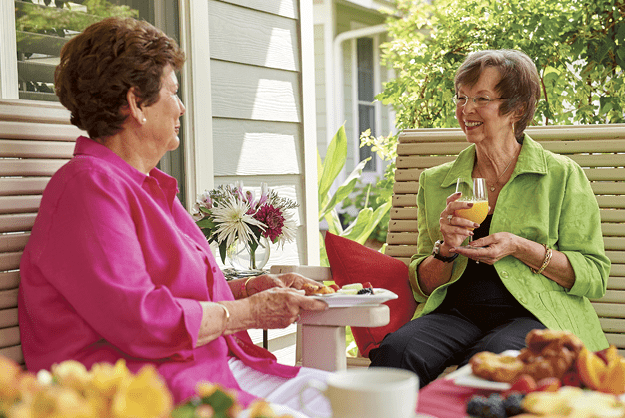
From crafts and hobbies to computer classes, it is important to keep one’s mind interested and active. Visit with family and friends often, get your hair done, go on a group vacation, implement the buddy system.
2. Exercise
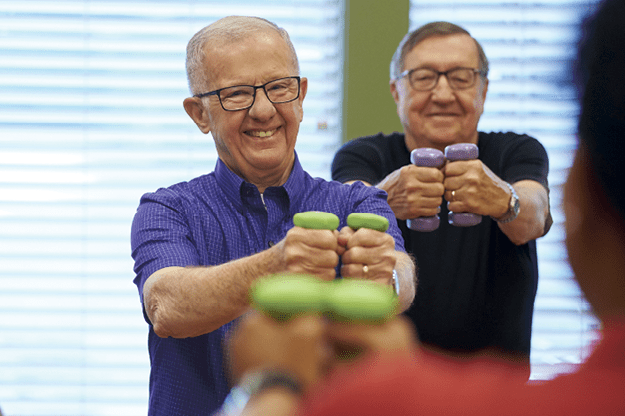
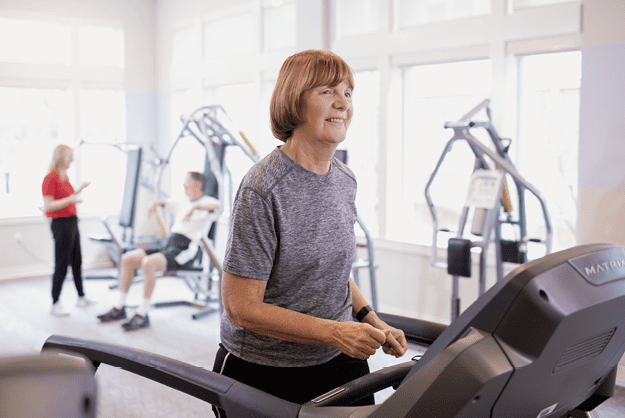
Exercise is not just great for one’s body, but it is also essential for mental health. Daily walks, exercise classes and visits to the gym are vital to stave off depression in the elderly.
3. Study
Learning activates different areas of one’s brain, exercising it like the muscle it is. Taking classes, reading and learning a foreign language are just a few of many ways to keep your mind engaged.
4. Play Around
Work your brain by working puzzles — whether jigsaw, crossword or Sudoku. Card games are also great, particularly because they combine a social element. Another great source of daily play is to get a pet. They’ll also help add exercise to your daily routine. Video games can also help seniors stay sharp.
5. Search for Deeper Meaning
Religion is another great activity that encourages personal reflection, socializing and volunteerism.
Introducing a Whole-Person Approach to Aging and Mental Health
At The Heritage at Brentwood®, every day brings a new opportunity to live life to its fullest.
Living in a senior community provides seniors with onsite health assistance as well as an abundance of opportunities to engage in activities and to socialize with others — all of which help to keep seniors physically and mentally fit.
For those seniors living with mental health issues, The Heritage’s HealthyLife® Services program focuses on fitness, nutrition, living an active life and proactive approaches to enhance their well-being. If you are struggling with mental health in elderly loved ones, do your research. There is help available out there.
Contact us today to learn more and schedule a visit.